© 2026. Professionals New Zealand, Licensed REAA 2008
.png?width=1080&height=1080&name=Swing%20into%20Spring%202026_Listing%20Tile%20(1).png "Swing into Spring 2026_Seed Packets Tile")

Growing Sunflowers
When to plant: Sunflowers can take up to 100 days to flower - in order to thrive they need lots of sunshine so they’re best planted between September and January.
How to plant: With long roots, they are best planted in a deep container. Start by adding a layer of good compost under your soil, then plant your seeds about one knuckle deep and 20-30cm apart. Position your container in a spot with plenty of sunshine.
How to care: Keep the soil consistently moist but not waterlogged until the sunflower seedlings are established, usually in about 2-3 weeks. Once established, water less frequently, allowing the soil to dry slightly between waterings. The most important ingredient is sun!
How to harvest: If you want to cut the sunflowers for a vase, trim about a centimetre off the base and replenish water every three days. You can also harvest sunflowers for their seeds when the flower heads have fully matured, and the back of the head turns brown. Hang the sunflower upside down then remove the seeds once it's dry.
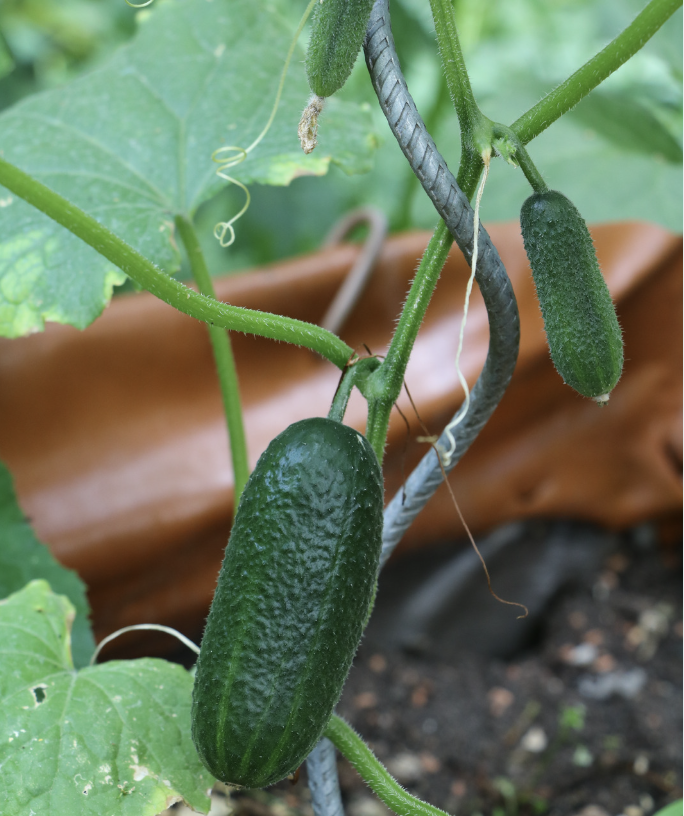
Growing Cucumbers
Where to plant: Cucumbers thrive in warm conditions and are best planted from October onwards, once the soil has warmed up and the risk of frost has passed.
Tip: Choose a sunny, sheltered spot with protection from strong winds for the healthiest plants.
How to plant: Grown in a container, planter bag, pot or in the ground. Start by adding a layer of good compost and then fill the rest of your container with soil. Plant cucumber seeds about 2cm deep and 30–40cm apart. Cucumbers love sunshine and benefit from support, so place them near a trellis, fence or other climbing structure.
How to care: Water your cucumber plants regularly to keep the soil consistently moist, especially during hot, dry weather. Adding a layer of mulch can help retain moisture and keep the roots cool. As the plants begin flowering and producing fruit, they will need more frequent watering.
Tip: Avoid letting the soil dry out, as this can lead to bitter-tasting cucumbers.
How to harvest: Your cucumbers are ready to harvest when they are firm, evenly coloured and have reached a good size for the variety. Pick them regularly to encourage more fruit to grow.

Growing Lettuce
Where to plant: Lettuce grows best in cooler conditions and can be planted throughout most of the year in New Zealand. Spring and autumn are ideal, but in warmer regions you can grow lettuce almost year-round.
How to plant: Grown in a container, planter bag, pot or in the ground. Start by adding a layer of good compost and then fill the rest of your container with soil. Sprinkle lettuce seeds thinly over the surface and lightly cover with soil. Lettuce enjoys a sunny position but will also grow well in partial shade.
How to care: Water your lettuce regularly to keep the soil consistently moist, especially during warm or windy weather. Adding a layer of mulch can help retain moisture and keep the roots cool. Fast, steady growth will produce the best-tasting leaves.
Tip: Sow a small amount of seed every few weeks for a continuous supply of fresh lettuce.
How to harvest: Your lettuce is ready to harvest when the leaves are large enough to eat. Pick the outer leaves first and allow the centre of the plant to keep growing for ongoing harvests.
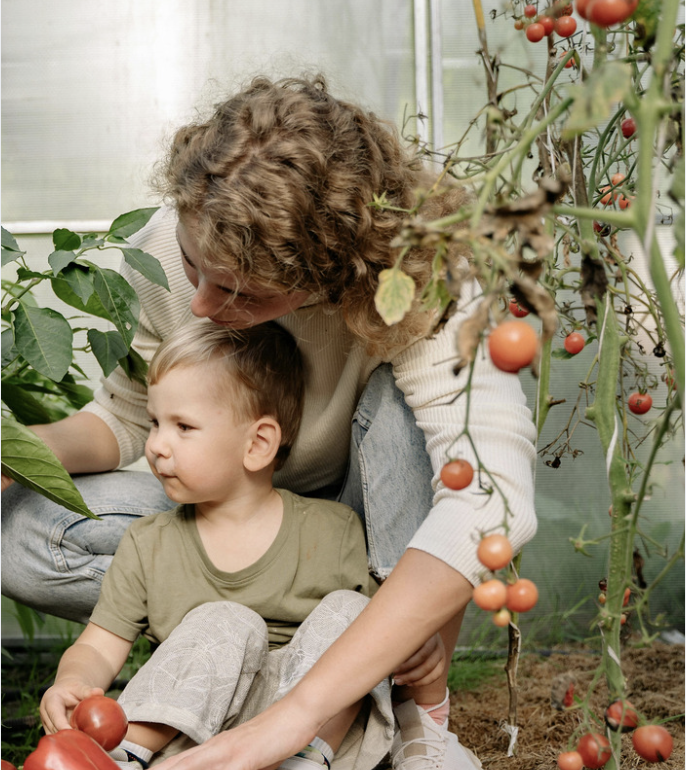
Growing Tomatoes
Where to plant: Tomatoes need six to eight weeks of warm weather to be truly fruitful. That means September onwards can be a good time to plant your seeds.
Tip: Wait until there is no more frost on the ground to plant, or plant them in a sheltered area.
How to plant: Grown in a container, planter bag, pot or in the ground. Start by adding a layer of good compost and then fill the rest of your container with soil. Dig a deep hole and drop tomato seeds about 40cm apart. Your seeds will need heaps of sunshine and protection from wind, so place your pot near a wall or trellis.
How to care: It’s important to water your tomato seeds regularly so the soil stays moist - especially in dry weather. Consider adding a layer of mulch to help conserve water. As the plants grow and develop fruit, you will want to water more frequently.
Tip: Tomato leaves can be prone to fungus, so make sure you’re only watering at the roots, and not the leaves.
How to harvest: Your tomatoes are ready to harvest just before they’ve reached their full colour and are still fairly firm.